
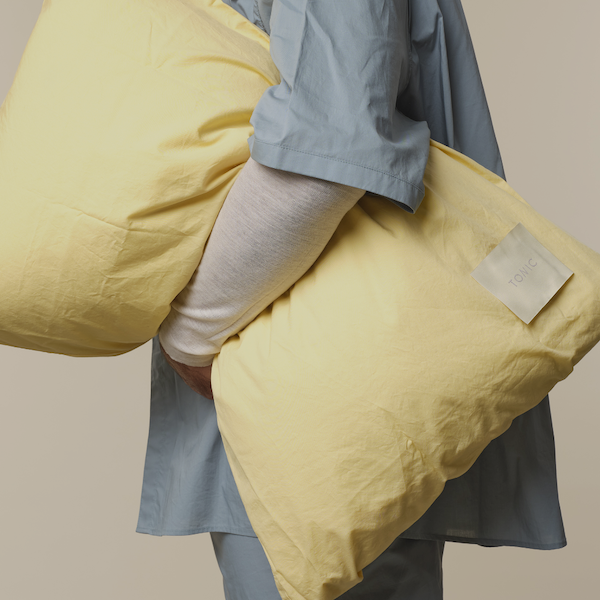

The Science
Modern research confirms what historical sleep patterns suggest: rest is crucial for physical recovery. Sleep occurs in cycles, each lasting about 90 minutes and moving through different stages:
- Light Sleep - The body relaxes, and brain activity slows. This makes up 50-60% of total sleep.
- Deep Sleep - The most restorative stage, crucial for muscle repair, immune function, and memory consolidation.
- REM Sleep - The dream stage, essential for learning, creativity, and emotional processing. The brain is active, but the body is in a state of paralysis.

Pain and Sleep Disruptions
Pain and discomfort often lead to fragmented sleep after surgery, reducing the amount of deep sleep a patient gets. Additionally, hospital environments with bright lights, frequent nurse check-ins, and unfamiliar sounds can further interrupt sleep cycles. Research suggests that poor sleep quality post-surgery is associated with higher pain levels and delayed healing (Simpson & Dinges, 2007). To counteract this, doctors recommend sleep-friendly strategies, such as pain management before bedtime, minimizing blue light exposure, and creating a relaxing sleep environment.

Relearning How To Sleep After Surgery
Recovering from surgery requires adapting to new sleep patterns. Some patients may temporarily experience a biphasic sleep pattern, waking in the middle of the night due to discomfort or medication side effects. Rather than stressing over disrupted sleep, patients can use the wakeful period for relaxation techniques like meditation, deep breathing, or gentle stretching.
Rest, restore, recover.
Collections



Are Naps Good or Bad for Post-Surgery Recovery?
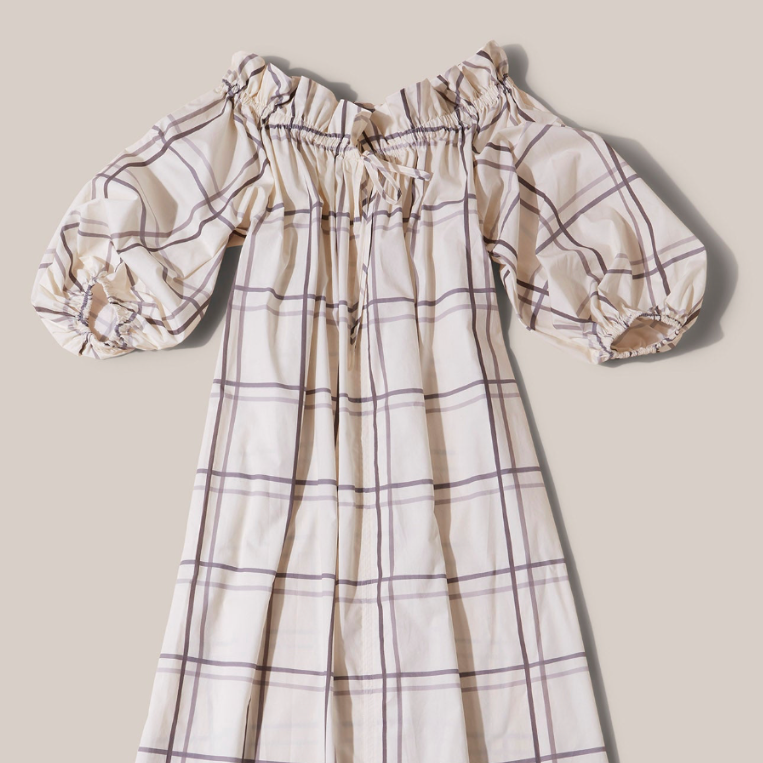
Breast Surgery
Breast surgery requires a post-surgery wardrobe that offers comfort, support, and ease.
The Hospital Nightie from Tonic is a thoughtful choice for those recovering from breast surgery. Designed with both function and comfort in mind, this nightie is made from soft, breathable fabric that is gentle on sensitive skin, making it ideal for those with tender areas post-surgery.
The Nightie’s relaxed fit ensures that it doesn’t rub or cause irritation, providing you with a comfortable experience whether you’re resting or moving around your home. Its simple, elegant design also allows for easy access during medical check-ups or follow-up appointments, which is particularly useful if you're undergoing any further procedures or treatments.
This hospital nightie gives you the perfect balance of comfort and dignity as you recover.
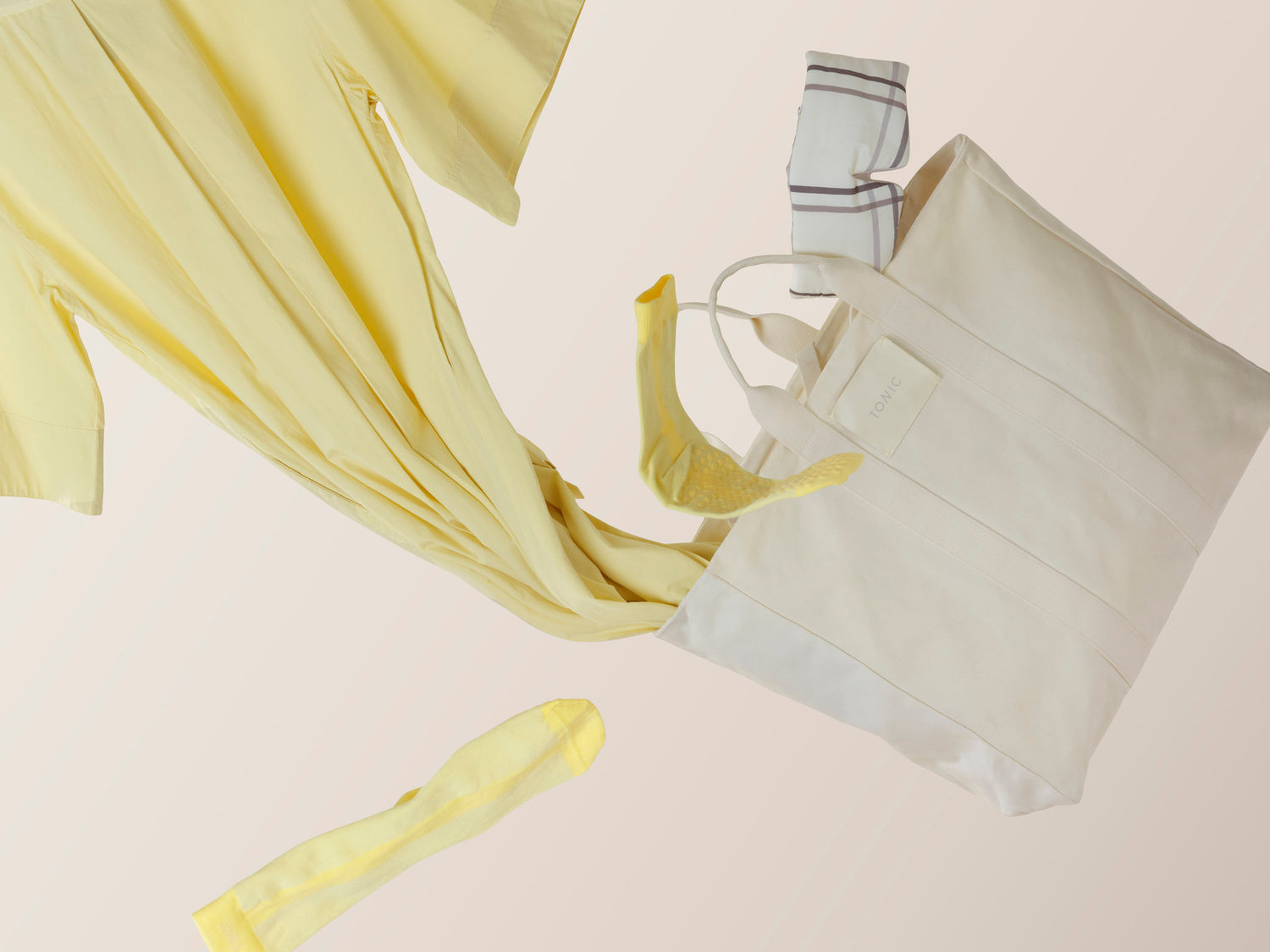
In Patient Stay
Preparing for an inpatient stay can feel overwhelming, but having the right essentials can help you feel more like yourself during a challenging time. At TONIC we offer an elevated hospital bag designed to make your experience more comfortable and less stressful.
Our carefully curated collection of hospital bag essentials is all about helping you feel at ease, whether it’s a cozy robe, high-quality toiletries, or soothing items that provide comfort and calm.
By filling your hospital bag with these thoughtfully chosen essentials, you can focus on your recovery while feeling a bit more like yourself, even when you're not feeling your best